

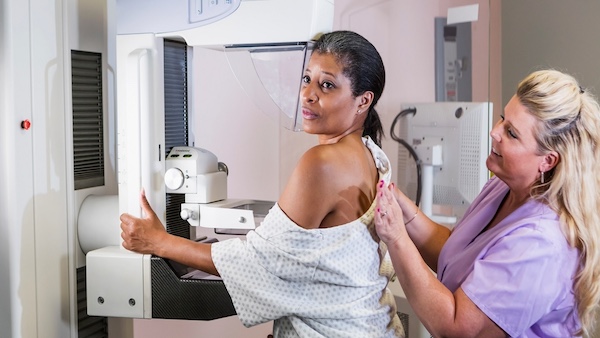
African American women, despite high screening rates, face a devastating health disparity when it comes to breast cancer. They are approximately 40 percent more likely to die from breast cancer than white women and carry the lowest 5-year survival rate of any racial group. This crisis is a failure of a healthcare system that system often fails to provide timely follow-up and effective treatment after an initial abnormality is found.
To close this deadly mortality gap, African American women must become expert advocates for their own health, demanding specific standards of care tailored to their unique risk profile.
First, African American women must understand the unique risk and the need for action. The black woman risk profile necessitates a highly proactive approach due to three major factors:
- Aggressive Tumors: African American women have the highest incidence of Triple-Negative Breast Cancer (TNBC), a hard-to-treat cancer that makes up 1 in 5 diagnoses in this community.
- Younger Age: The disease strikes earlier. The mortality rate for African American women under age 40 is twice that of white women in the same age group.
- Systemic Barriers: Chronic stress from life challenges and systemic issues (sometimes called Allostatic Load) may contribute to more aggressive cancers or earlier onset. This is compounded by documented obstacles to care, including high costs, lack of insurance, and fear of results (fatalism) rooted in distrust of the system.
Your Advocacy Mandate: Three Critical Demands
This article is a call for African American women to empower themselves by knowing exactly what to ask for at every stage of their breast health journey:
1. Demand Earlier and Equitable Screening
Do not accept a "wait and see" approach. Use the following guidelines as your minimum standard:
Insist on Age 40 - For the African American community, starting mammography screening at age 40 should be the non-negotiable standard of care. Studies show that initiating screening ten years earlier (starting at 40 instead of 50) is the most equitable strategy and is projected to reduce the black-white mortality disparity by a dramatic 57 percent.
Demand 3D Mammography (DBT) - Ask your provider specifically for Digital Breast Tomosynthesis (DBT), or 3D mammography. This advanced technology takes multiple layered images, which makes it easier for radiologists to spot abnormalities, especially with denser breast tissue.
Reduce the Burden - By reducing the rate of false positives (recalls), 3D screening minimizes the need for extra imaging appointments. This is crucial because unnecessary follow-up visits can be prohibitively expensive or logistically impossible for many women facing barriers like childcare issues or limited time off work.
2. Demand Immediate Diagnostic Follow Up
The failure of the system often occurs after an abnormal screening result. Delays lead to late-stage diagnoses, which severely limit survival. If you are recalled for additional testing or a biopsy, prioritize speed. Treat an abnormal result as an emergency. Aggressively push for the fastest possible appointment for follow-up testing (ultrasound, biopsy). Be clear with your provider that you understand the severity of late diagnosis and cannot tolerate delays.
Address Financial Barriers - If you are uninsured or underinsured, proactively ask clinic staff about patient assistance programs, grants, or sliding scale payments before leaving the office. Financial cost is a major barrier to receiving necessary biopsies and additional testing.
Speak Your Truth - Do not allow fear or distrust to cause delays. If you are hesitant about a procedure, voice your concerns, including historical bias or fear of pain, to ensure your healthcare team takes extra measures to build trust and provide compassionate care.
3. Demand Guideline-Concordant Treatment and Inclusion
Once a diagnosis is confirmed, you must demand the highest standard of care to ensure full treatment. Be aware that African American women are statistically less likely to receive necessary treatments, such as breast cancer surgery. Ask your oncologist and surgical team directly, "Is this treatment plan fully compliant with national guidelines for my cancer type, and does it include all necessary interventions, including surgery?
Also, inquire about clinical trials. Because African American women are disproportionately affected by TNBC, ask if there are any clinical trials for your cancer type, especially for TNBC. Participating in research is essential for advancing medicine and developing treatments tailored to the biological needs of your community.
Acknowledge Systemic Stress - If applicable, discuss the impact of chronic stress or social challenges (Allostatic Load) with your primary care team. Recognizing this physiological burden can help ensure you receive holistic support alongside clinical treatment.
By staying informed and becoming a strong voice for your own care, you can help dismantle the systemic obstacles that have created this unacceptable mortality gap.
• • •• • •
The National Institute of African American Health’s central goal is to improve the health of African Americans by providing a trusted source of health information tailored to the needs of our community. To learn more about NIAAH, visit niaah.org.