
Op-ed by Paul Hill Jr.
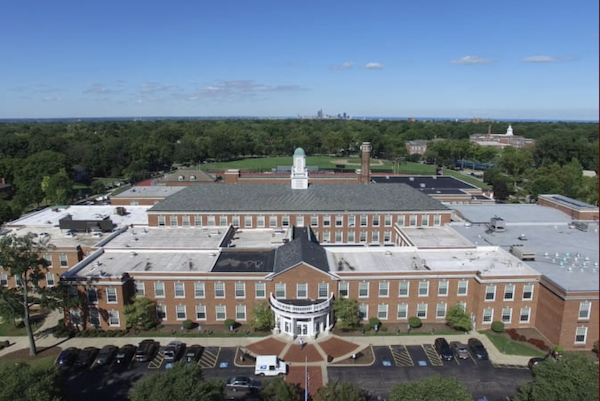
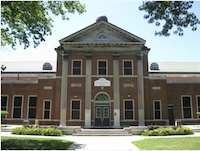
Shaker Heights High School [school district website]
For decades, the Shaker Heights City School District in Ohio has been regarded as a model for school integration and equity-driven innovation. Its history includes voluntary busing in 1970 and boundary redrawing to increase racial integration in its schools — decisions that placed Shaker Heights at the forefront of progressive education reform.¹
From the late 20th century on, Shaker Heights staked its national reputation on the belief that integration and academic equity were not just possible but essential. In recent years, that mission has been framed through the language of systemic reform and “Inclusive Excellence,” a concept the district upholds prominently in its policies and public statements.²
In 2022, the district appointed Dr. Lawrence A. Q. Burnley as its Chief of Diversity, Equity & Inclusion, signaling a renewed focus on dismantling institutional barriers to equitable achievement.³
On October 28, 2025, a widely circulated news summary raised the question: Why did a district that preaches equity allegedly try to silence its diversity chief? Dr. Burnley had accused the district of racial discrimination and retaliation after raising concerns about the lack of measurable progress in addressing persistent racial disparities.⁴
Reports suggested that Burnley was marginalized or restricted when he attempted to elevate uncomfortable truths about how equity work was unfolding within the district.⁵ Even as he appeared in a board meeting to present findings, the tension between public messaging and internal practice had already begun to surface.
Shaker Heights illustrates the broader paradox seen in equity-branded school systems across the country: public commitments to disrupt systemic inequity often collide with private resistance to the structural and cultural change that equity demands.¹ These struggles show up in decisions about student tracking, staffing, access to rigorous coursework, discipline patterns, and even data transparency.
The district’s public statements remain aspirational, but the institutional will to pursue uncomfortable or disruptive reforms is often contested behind the scenes.²
The situation in Shaker Heights is not merely a policy issue; it is a reminder of the deep human cost of attempting to lead institutional change. For equity leaders like Dr. Burnley, the cost may be emotional, professional, or reputational. For students, the cost is academic, social, and often lifelong. For districts, the cost is credibility.
Until equity work is matched by internal courage and accountability — not just public language — questions will remain, as will the disparities such work seeks to address.⁴ In this light, the Shaker Heights case becomes less a localized conflict and more a cautionary tale: when institutions silence truth-tellers, they undermine the very work they claim to champion.
Notes
1.Washington Post. “This trail-blazing suburb has tried for years to tackle race. What if trying isn’t enough?” (2019).
2.Shaker Heights City School District. “Diversity, Equity & Inclusion.” (2022).
3.Shaker Heights City School District. “October 28, 2025 Board Work Session Summary.” (2025).
4.Reddit Community Discussion: “Shaker Heights’ complicated history with school equity.” (2025).
5.The Shakerite. “District Defies Anti-DEI Orders—for Now.” (April 2025).
• • •• • •
Paul Hill Jr. is executive director emeritus of East End Neighborhood House, founder of the National Rights of Passage Institute, and a long-time resident of East Cleveland.